Beyond with Laura Travel
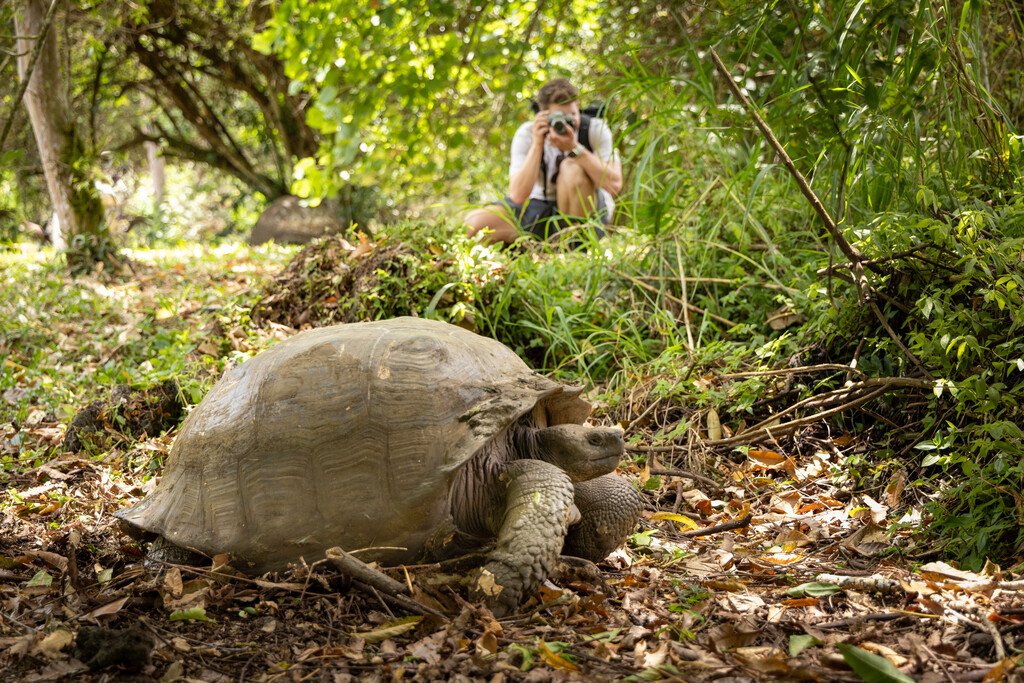
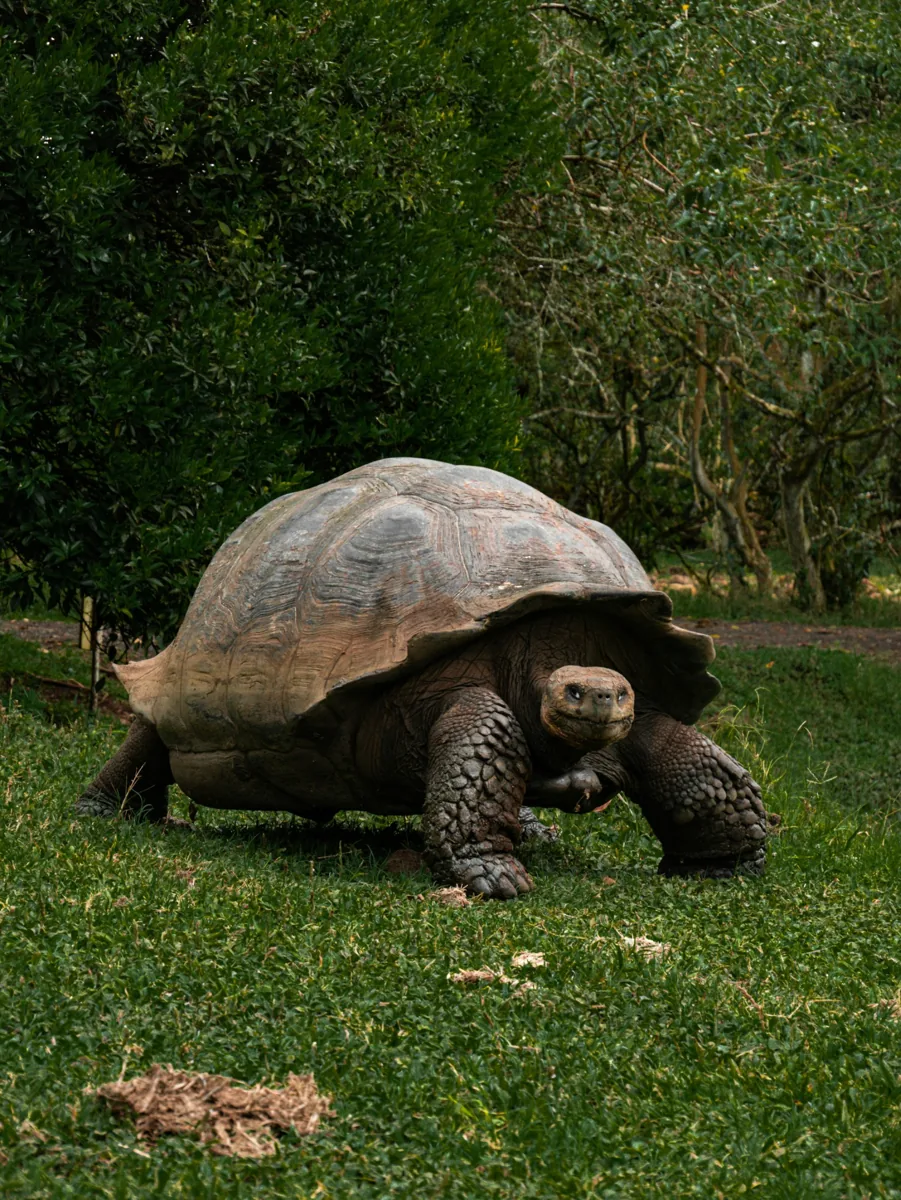
Galápagos giant tortoise in its natural highland habitat
Ecuador · An island world unlike anywhere else

The Galápagos
Islands

Extraordinary wildlife is the reason to go. Choosing the right islands, route and way of travelling is what makes the experience.

Explore the ways to travel
The destination, explained

There is no single Galápagos experience.

A trip here is shaped less by the hotel or ship you choose than by where it can take you.

Roughly 1,000 kilometres from mainland Ecuador, the Galápagos is a protected archipelago where giant tortoises, marine iguanas, sea lions and seabirds can be observed in remarkable proximity. But the islands are not interchangeable. Some are known for volcanic landscapes, others for nesting seabirds, remote beaches or exceptional marine life.

Before comparing brochures, decide what you want most from the journey: wildlife encounters, time in the water, a particular island, or the freedom to explore at your own pace. Then look closely at the actual itinerary.

01 / Choosing how to travel

By expedition ship or from the islands?

Both can be rewarding. The right answer depends on your priorities, not on whether you generally prefer hotels or cruises.

Small expedition boat approaching the Galápagos shoreline
See more of the archipelago

Expedition cruising

Your ship travels between visitor sites, often overnight, allowing access to islands that are difficult to reach on day trips. Naturalist-led walks, small-boat outings and snorkelling are usually central to the programme.

Often best for: wildlife-focused travellers, those wanting a broader range of sites, and people who prefer their guiding and logistics organised.

Check before booking: the exact route, permitted visitor sites, activity level, ship size, cabin category, seasickness considerations and what the fare includes.
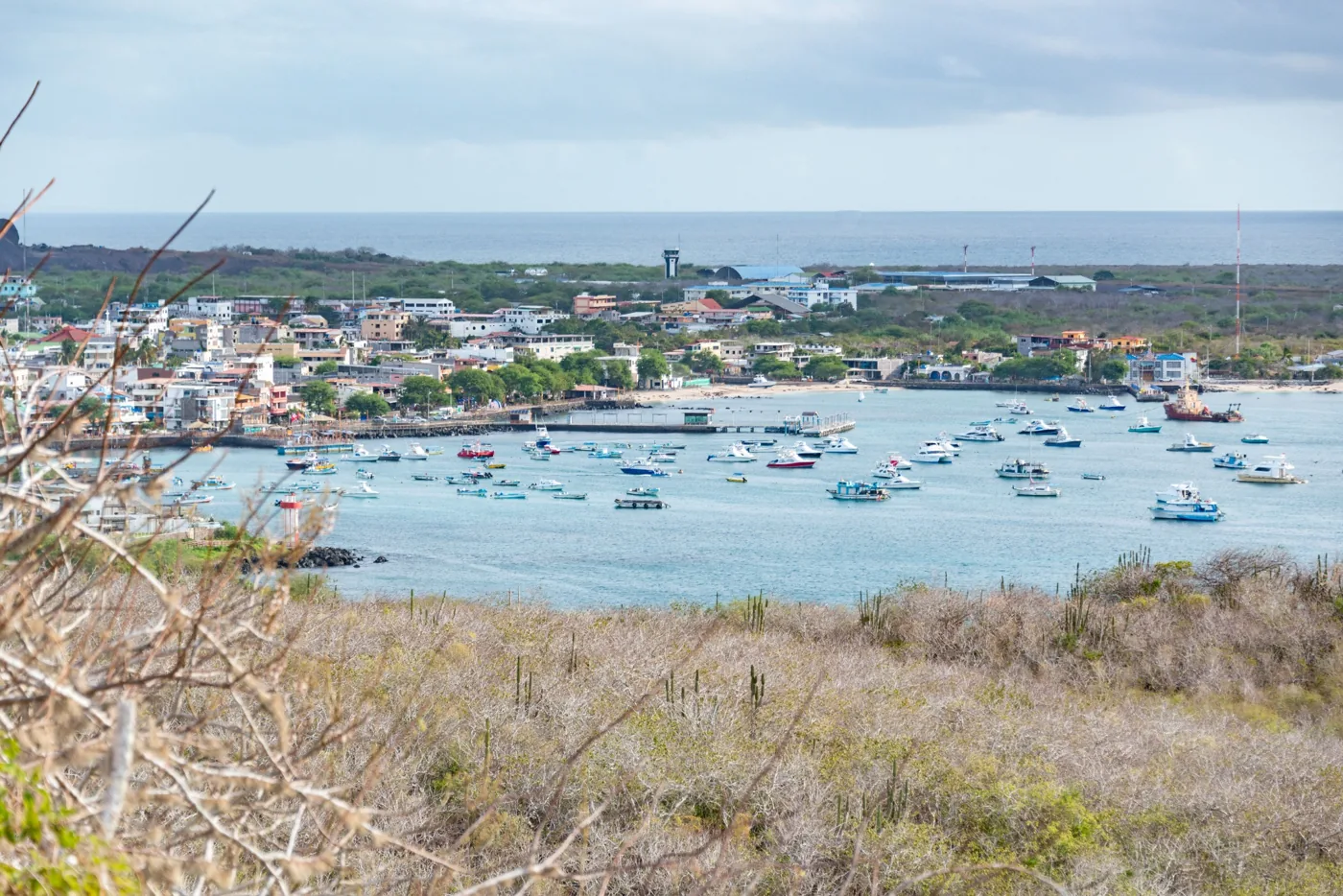
Coastal town on Santa Cruz island in the Galápagos
Set your own rhythm

Island-based travel

Stay on inhabited islands such as Santa Cruz, San Cristóbal or Isabela, exploring independently between guided excursions and organised day trips. You gain time in local towns, with more choice over where to eat and how to spend quieter days.

Often best for: travellers who value flexibility, want a slower pace, or prefer to sleep on land.

Check before booking: travel times to wildlife sites, day-trip availability, boat journeys, inter-island transfers and which excursions are additional costs.

A useful distinction

Don't compare a seven-night cruise with seven nights in a hotel on price alone. Compare the wildlife sites you can actually visit, how much time is spent travelling between them and the full cost of guiding, meals and excursions.

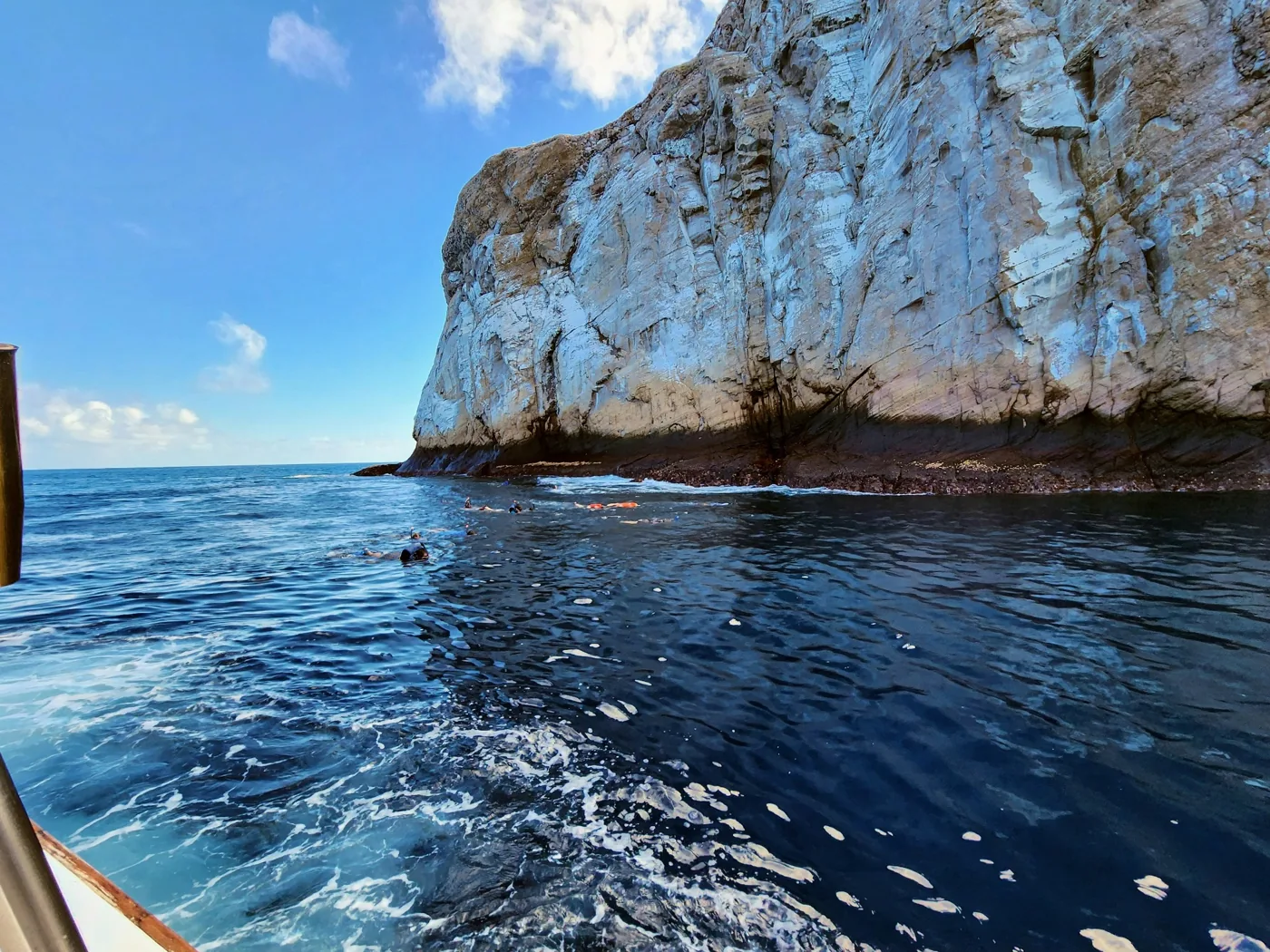
Snorkelling excursion near the dramatic rock formations of the Galápagos
Wildlife above and below the surface

What you do matters as much as what you see.

Wildlife encounters can involve shore walks, small-boat viewing, snorkelling or simply watching from a safe distance. Not every itinerary includes the same opportunities, and a famous island name does not guarantee a particular sighting.

If swimming is not your thing, choose a programme with rewarding land and boat-based alternatives. If marine wildlife is your priority, look closely at snorkelling locations, conditions and excursion arrangements.

02 / A world of different islands

One archipelago. Remarkably different places.

There is no single Galápagos landscape or wildlife experience. You might watch giant tortoises in misty highlands one day and find yourself among seabirds on an exposed volcanic shoreline another. Where you stay, and where your itinerary can take you, makes all the difference.

The inhabited islands

Places to stay, explore and slow down.

Stay a little longer, explore local life and choose excursions that take you beyond the harbour.

Highlands and harbour life

Santa Cruz

Imagine giant tortoises moving through green highland vegetation, then an evening in Puerto Ayora watching boats return to the harbour. Santa Cruz combines an accessible introduction to the islands with restaurants, accommodation and excursions to protected visitor sites.

A particularly useful base for a first land-based stay, but the reach of day trips depends on the operator and permitted route.

Sea lions and the shoreline

San Cristóbal

Sea lions are part of everyday life around Puerto Baquerizo Moreno, while coastal excursions and snorkelling sites bring a different perspective on the marine environment. It can feel more like spending time on an island than simply passing through one.

Consider it if marine wildlife and a relaxed island base appeal, while checking which outings are included.

Volcanoes and open horizons

Isabela

Isabela has a scale all of its own: broad volcanic landscapes, dark lava coastlines and a quieter rhythm around Puerto Villamil. It rewards travellers who want to linger, but its sheer size means staying there does not provide access to every remote western visitor site.

An excellent example of why the name of an island and the actual places visited are not the same thing.

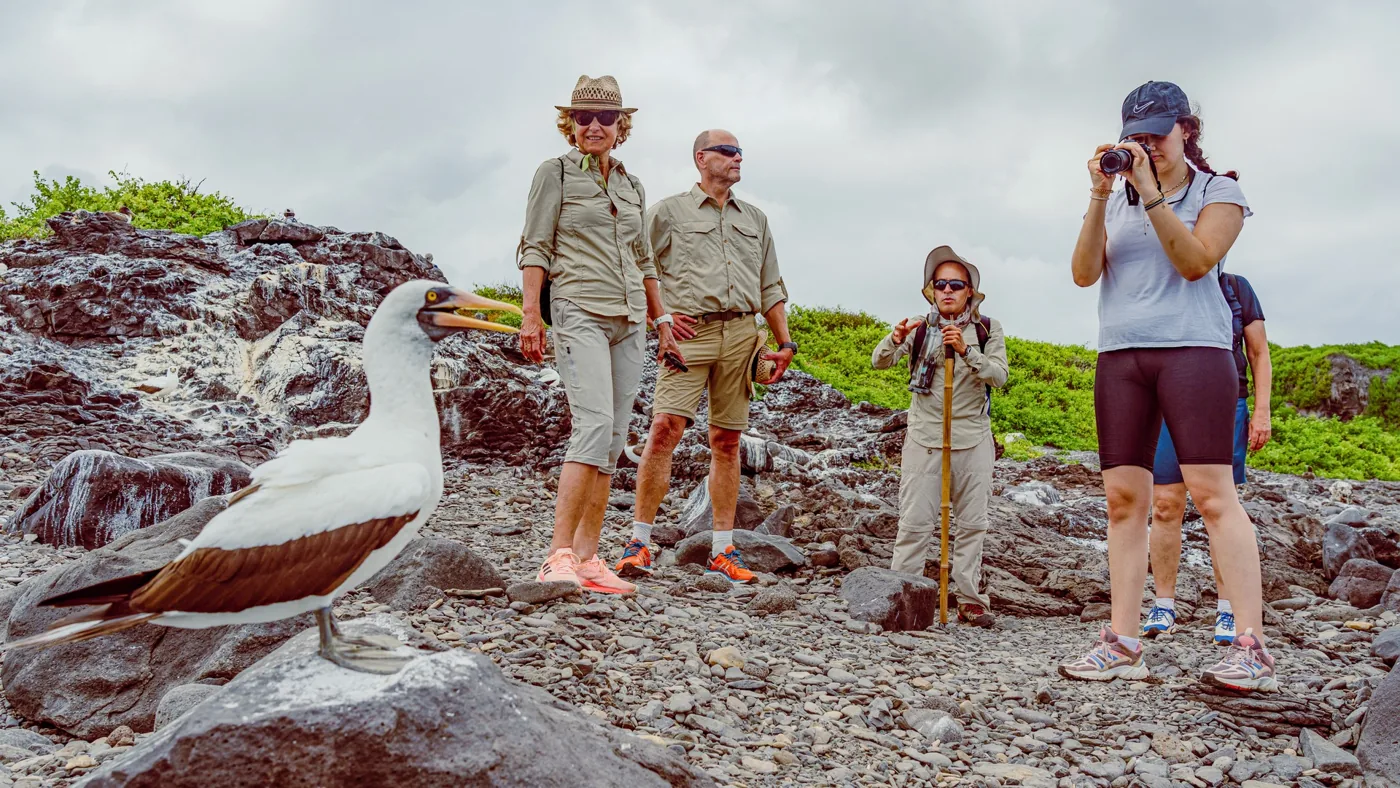
Blue-footed booby and naturalist-led wildlife excursion on Española in the Galápagos
The Galápagos, up close

Wildlife is not simply something you look for here. On the right visitor sites, you find yourself sharing the landscape with it.

The route-dependent encounters

Some of the most memorable places are reached by expedition.

These protected sites are about extraordinary habitats and carefully planned access, not places to stay.

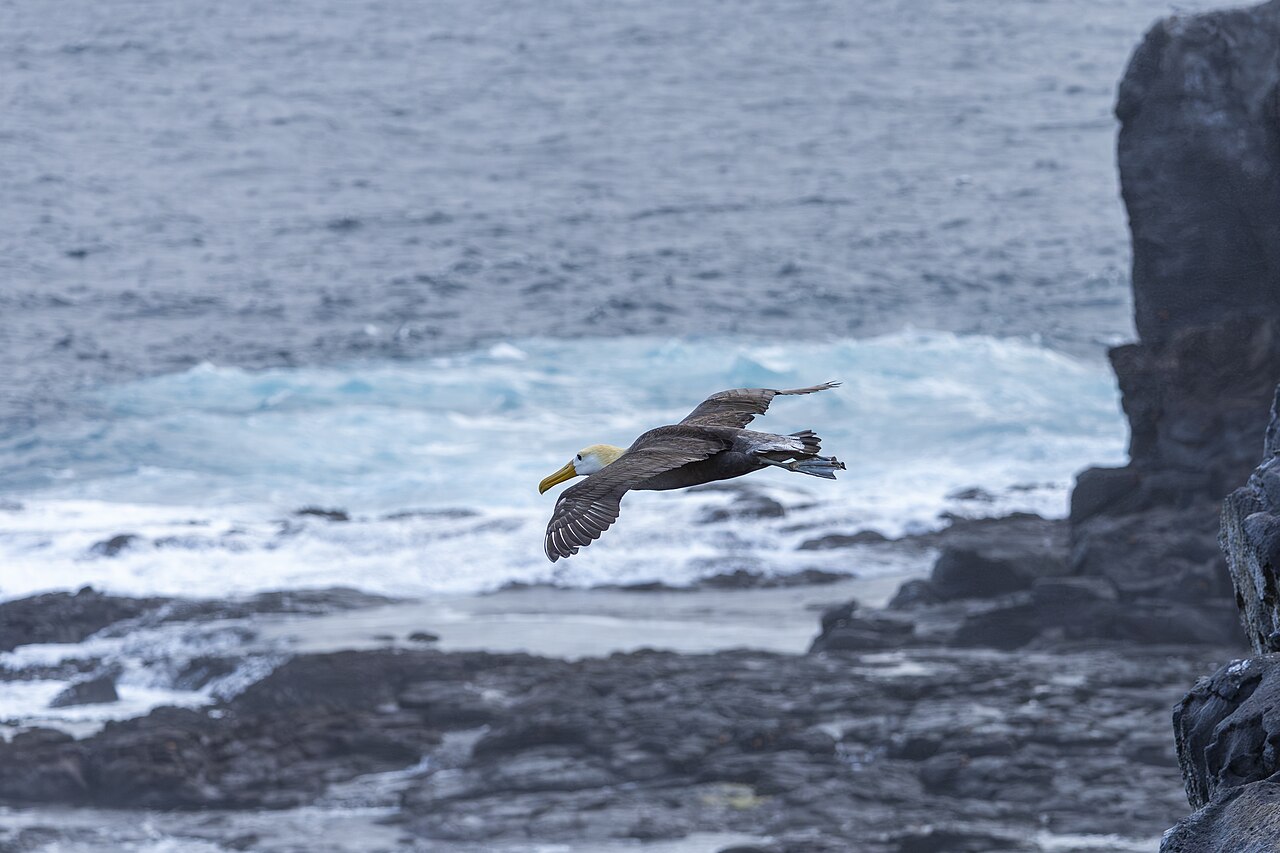
Waved albatross flying above the rocky coastline of Española Island, Galápagos
Seabird encounters

Española

On suitable routes and at the right time of year, Española is celebrated for its seabird life, including waved albatrosses during their breeding season. Its dramatic coastline and wildlife make it a compelling reason to look closely at southern itineraries.

The season and named visitor sites matter as much as the island appearing on a route map.

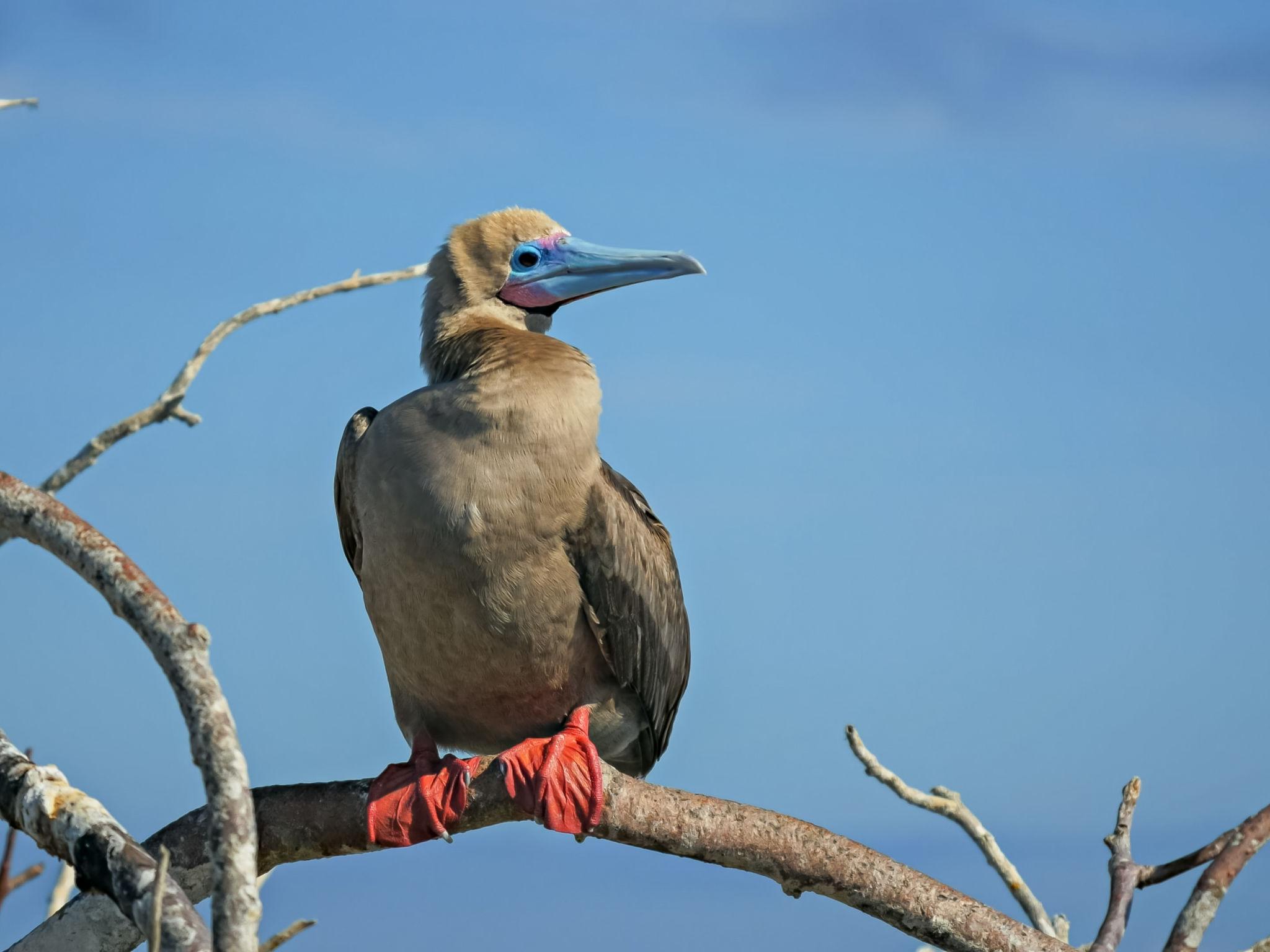
Red-footed booby perched on a branch against blue sky
An extraordinary bird island

Genovesa

Genovesa is renowned for seabird colonies, including red-footed boobies. For travellers particularly interested in birds, a route that reaches this more remote northern island may be worth prioritising over a more familiar island list.

Check the specific expedition itinerary and its scheduled landings rather than assuming all cruises visit.

The difference is in the places you reach

Same islands. A completely different journey.

You can spend a week in the Galápagos without boarding an expedition ship and have an extraordinary experience. Or you can travel between remote visitor sites, waking somewhere new and exploring a different habitat each day.

Neither is automatically better. What matters is knowing which experience you are choosing. I can help compare the actual landing sites, wildlife opportunities, seasonal considerations and pace of different routes, so the itinerary reflects what you most want to experience.

A question worth asking

Which exact visitor sites will we explore, and why have they been chosen? A long list of islands can look impressive, but the right combination of habitats, activities and time ashore is what makes an itinerary worthwhile.

The details that matter

Beyond the itinerary

Even holidays of the same length can give you very different amounts of time with the wildlife. Before deciding which looks better value, compare what each itinerary actually includes.

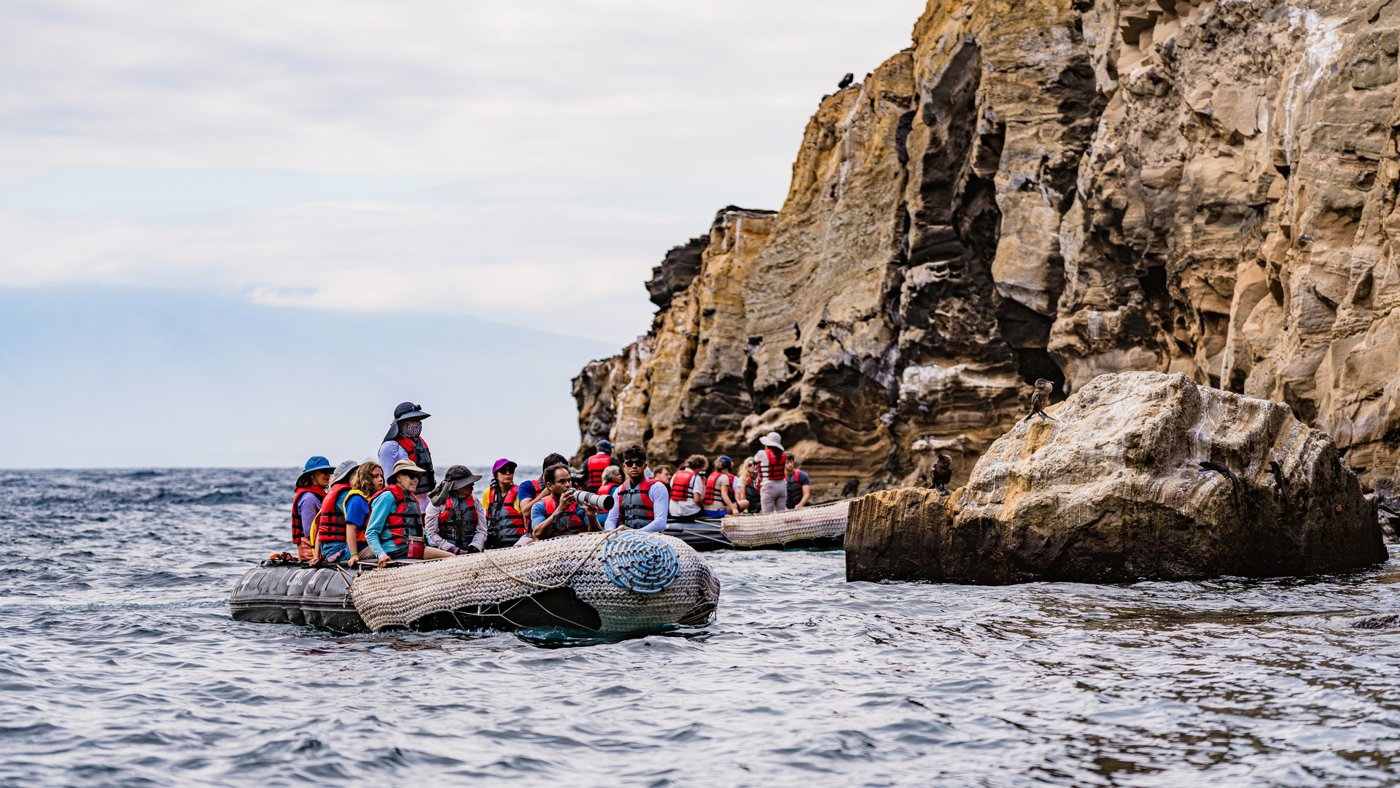
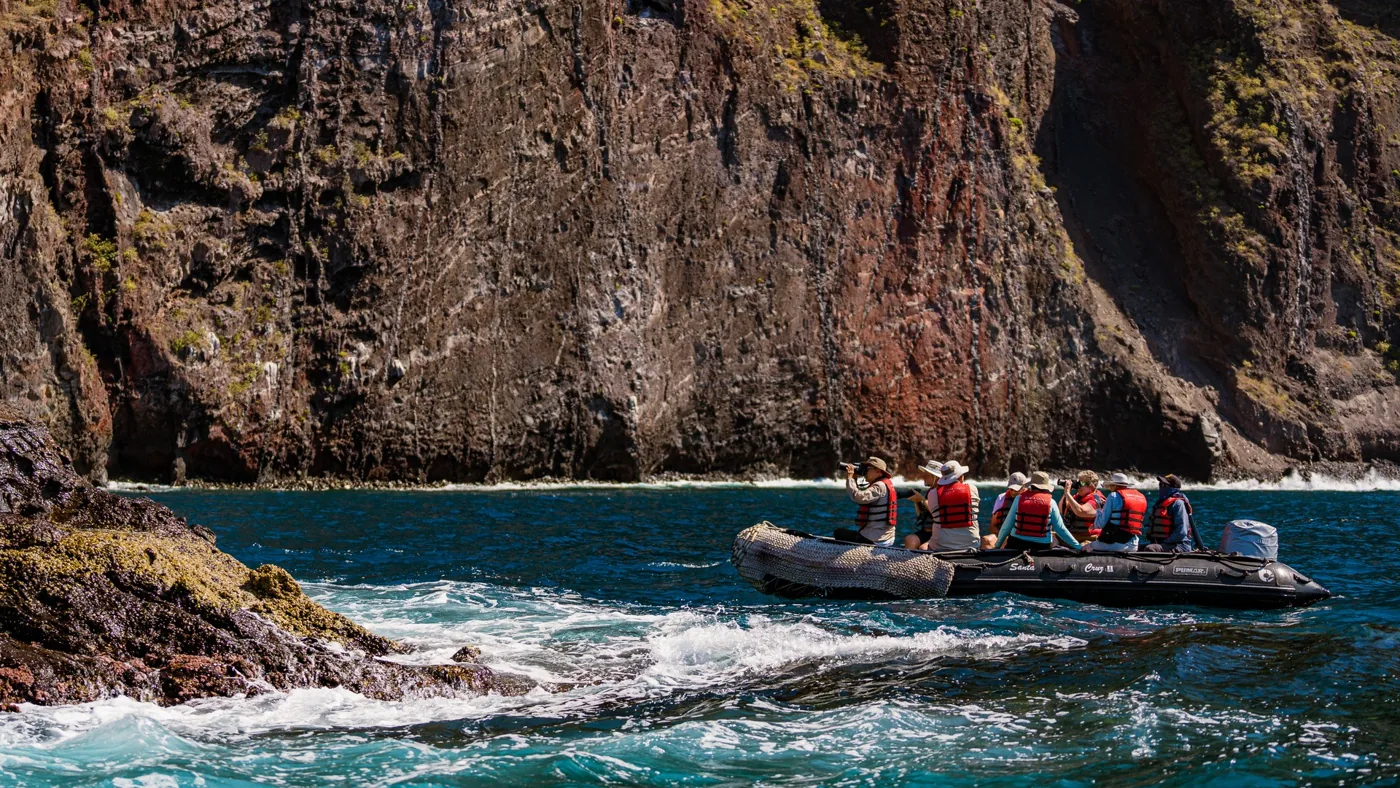
Expedition travellers in a small Zodiac boat exploring the volcanic coastline of Isabela in the Galápagos
Galápagos giant tortoise walking through green woodland with a wildlife photographer in the background
Compare the experience

It is tempting to compare the number of nights, the standard of accommodation and the headline price. Those matter, but they do not tell you how the days will unfold.

Ask for a day-by-day itinerary and look beyond the destination names.

01

Time exploring How many full days are spent at wildlife sites rather than travelling or transferring?

02

Places visited Which named landing sites, habitats and snorkelling locations are included?

03

Ways to explore Are guided walks, small-boat outings and snorkelling included, and are alternatives available?

04

Real total cost What do the fares include once excursions, guiding, transfers, park charges and equipment are accounted for?

The most suitable itinerary is the one that matches the wildlife, activities and pace you actually want, not necessarily the one with the longest list of islands.

03 / Planning intelligently

The decisions that make the biggest difference

A few key choices can shape your Galápagos experience. Here’s what to consider when planning your journey.

01

When should you go?

The Galápagos can be visited year-round. Roughly December to May tends to bring warmer, often calmer water, while June to November is generally cooler with nutrient-rich seas and potentially choppier conditions. Wildlife activity varies by species and location. Choose dates around your priorities, not a promise of one universally 'best' month.

02

How long is enough?

For a first visit, around seven to ten days in the islands gives more breathing room than a very short stop. A shorter trip can work if you have a specific focus; longer journeys allow more varied sites and a less hurried pace. Add mainland Ecuador travel time separately.

03

What should you budget for?

Compare the complete cost: flights to Ecuador and the islands, accommodation or cruise fare, park and transit-control charges, guiding, excursions, equipment and transfers. Some charges may be paid locally. A lower hotel rate does not necessarily mean a lower overall holiday cost.

04

How do you get there?

Most journeys route through mainland Ecuador, commonly Quito or Guayaquil, before a flight to the islands. Airport formalities, luggage requirements and onward transfers take time. Avoid tight connections, particularly before a fixed expedition departure.

04 / The right fit

Who is the Galápagos right for?

Families

Excellent for curious children who enjoy wildlife and outdoor activities, but check minimum ages, wet landings, small-boat transfers, swimming confidence and excursion duration. A land stay may offer more flexibility for rest days.

Solo travellers

Guided excursions create natural opportunities to meet others. Check single supplements, dedicated solo cabins and whether the atmosphere on board or in your chosen accommodation suits you.

Less active travellers

Not every excursion involves strenuous hiking or snorkelling, but access can include uneven ground, steps and transfers from small boats. Request the actual activity and mobility requirements before choosing a route.

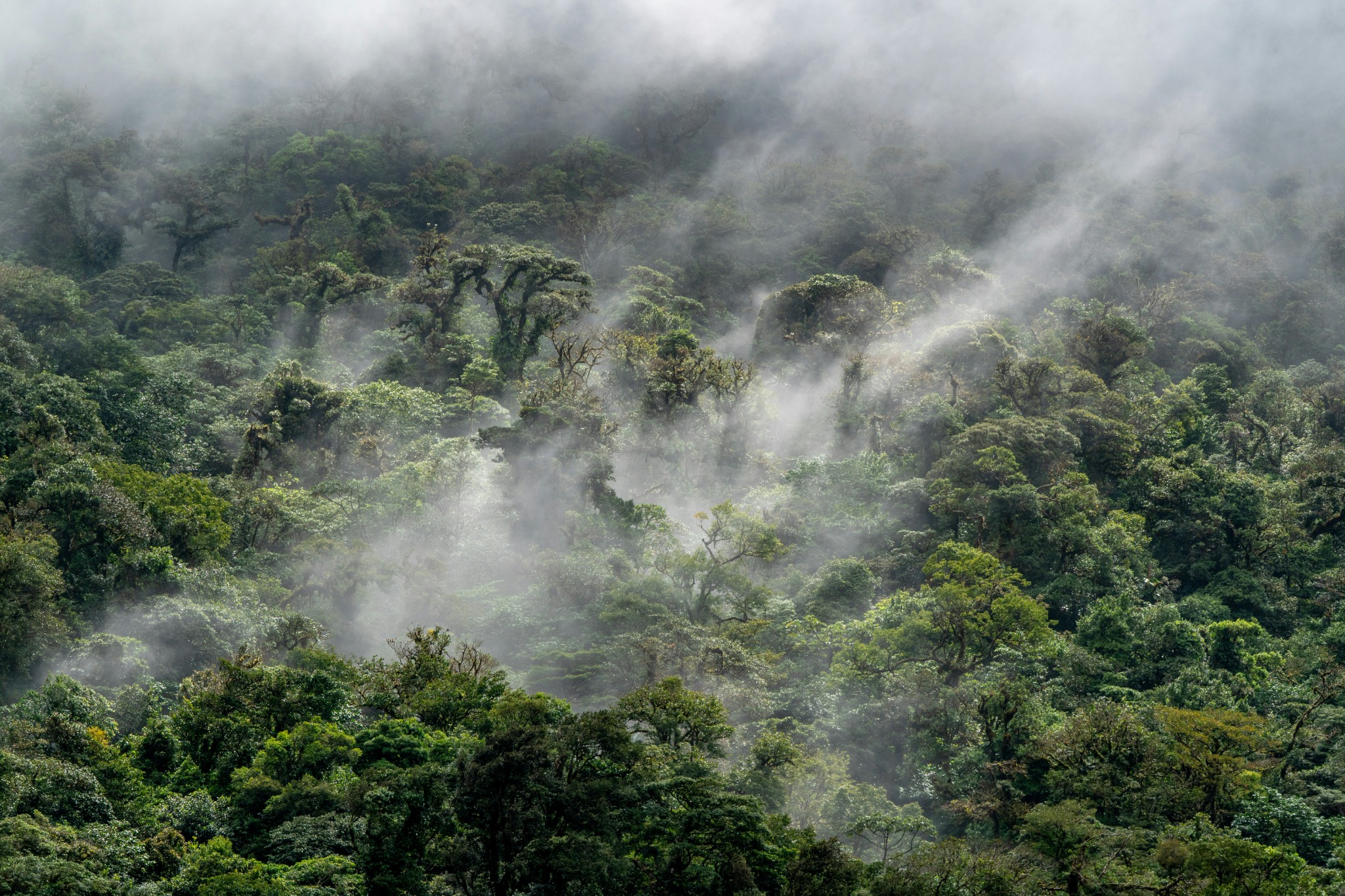
Misty green cloud forest on mainland Ecuador
A journey worth making time for

Go beyond the islands.

Mainland Ecuador adds a compelling contrast: Quito's historic centre, Andean landscapes or the cloud forest around Mindo. With more time, Peru can work as part of a wider South American journey. The key is allowing enough days for both places, rather than rushing through either.

Beyond with Laura Travel

The right itinerary starts with better questions.

Expedition travel is an area I particularly enjoy working with, and I have spent time aboard expedition vessels. I value the naturalist-led approach and the attention given to wildlife, science and conservation. But I would never assume that a cruise is the right answer for everyone. As an independent travel adviser working with UK travellers, I can compare expedition operators, island stays and specific routes according to what you want from the journey.

Tell me what you most want from the Galápagos and I'll help you work through the options, practicalities and total costs.

What we can explore together
  • Which wildlife experiences and visitor sites matter most
  • Expedition cruising, land stays or a combination
  • Activity levels, family needs and solo arrangements
  • Route differences, inclusions and realistic budgets
  • Adding Quito, the cloud forest or Peru
Plan a Galápagos journey ← Explore more of Latin America